

























Hepatitis B remains one of the most serious public health challenges facing Nigeria today. Often referred to as a “silent killer,” the virus attacks the liver and can lead to chronic liver disease, liver cirrhosis, liver failure, and liver cancer if left untreated. Many infected individuals show no symptoms for years, making early detection and prevention critically important.
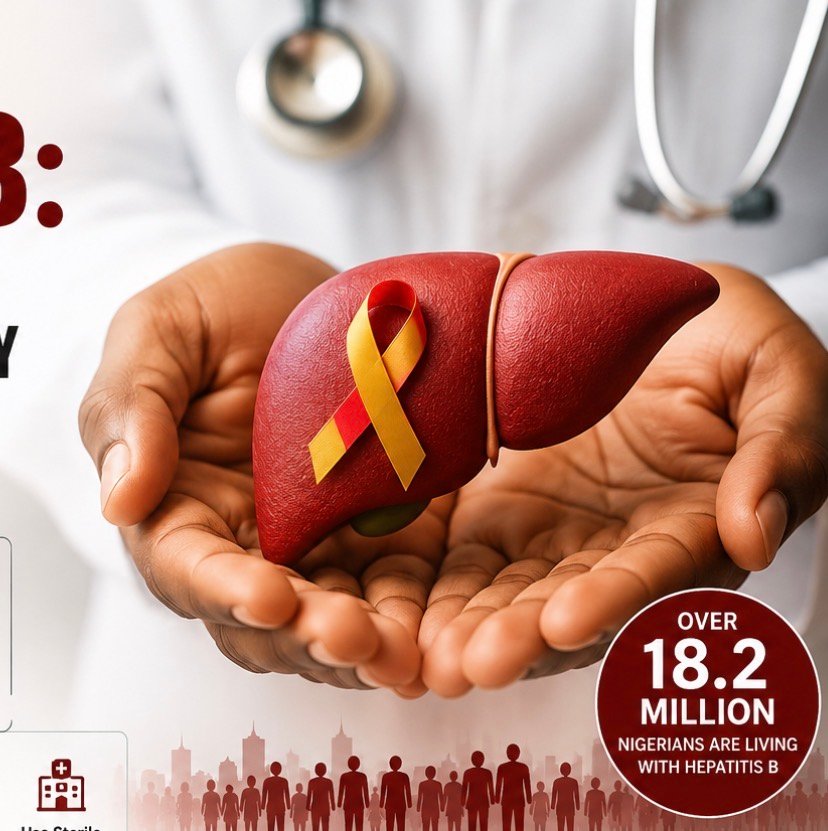
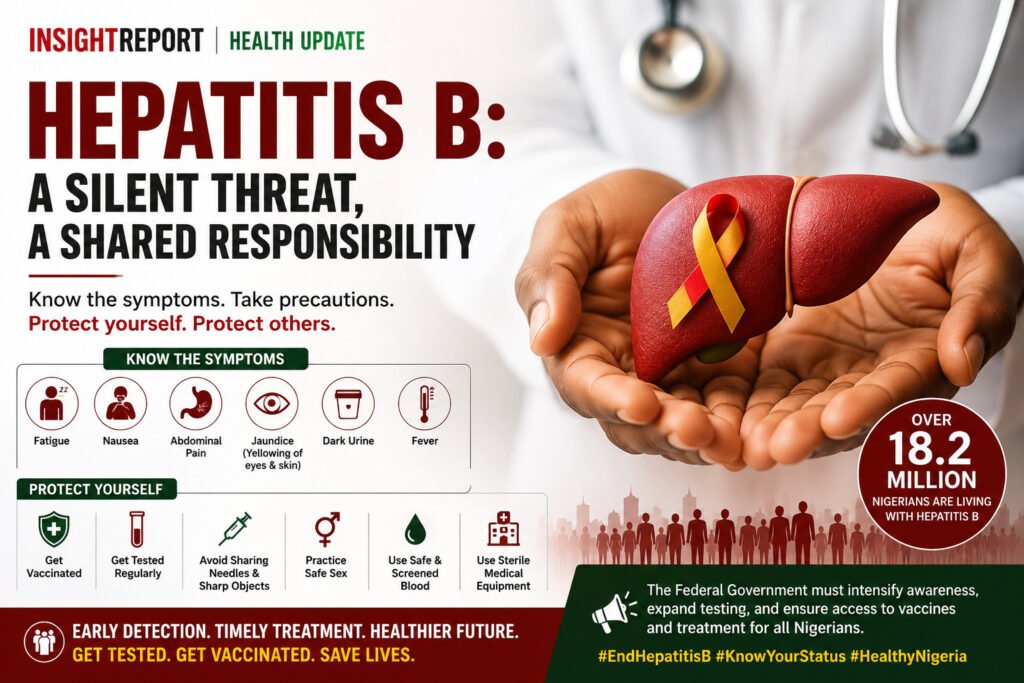
According to recent figures released by Nigeria’s Federal Ministry of Health and Social Welfare, approximately 18.2 million Nigerians are currently living with Hepatitis B, making Nigeria one of the countries with the highest hepatitis burden in the world. Health authorities estimate that more than 20 million Nigerians are living with either Hepatitis B or Hepatitis C infections.
- Nigerian Billionaire Otedola Reflects on $14 Million Charity Donation, Says Lasting Impact Defines True Wealth
- Kidnapped Oyo Schoolchildren: Traditional Worshippers Hold Spiritual Procession for Victims’ Release in Abeokuta.
- Hepatitis B: A Silent but Dangerous Threat Nigerians Must Not Ignore
- Xtrapro: The Rising Music Producer and Songwriter Making Waves in Nigeria’s Entertainment Industry
- FG vows to crush terrorists, rescue abducted pupils in Oyo, Borno
Understanding Hepatitis B
Hepatitis B is a viral infection that primarily affects the liver. The virus can be transmitted through:
- Contact with infected blood
- Unprotected sexual intercourse
- Sharing needles, razors, or sharp objects
- Mother-to-child transmission during childbirth
- Unsafe medical procedures involving contaminated equipment
Because many people remain unaware of their infection status, the virus continues to spread silently within communities. Health experts warn that a significant percentage of infected individuals remain undiagnosed.
Common Symptoms of Hepatitis B
While some people may not experience symptoms immediately, warning signs can include:
- Persistent fatigue and weakness
- Loss of appetite
- Nausea and vomiting
- Abdominal pain, especially around the liver area
- Dark-colored urine
- Yellowing of the eyes and skin (jaundice)
- Joint pain
- Fever
Anyone experiencing these symptoms should seek medical attention and request hepatitis screening.
How Nigerians Can Protect Themselves
Medical professionals emphasize that Hepatitis B is preventable. Key preventive measures include:
- Getting vaccinated against Hepatitis B.
- Undergoing regular screening and testing.
- Avoiding the sharing of needles, razors, and other sharp objects.
- Practicing safe sex.
- Ensuring blood transfusions come from properly screened sources.
- Seeking professional healthcare services for injections, surgeries, and dental procedures.
- Ensuring newborns receive timely vaccination to reduce mother-to-child transmission.

Vaccination remains the most effective defense against the virus and has been proven to save millions of lives globally.


Federal Government’s Efforts and the Road Ahead
The Federal Government has continued to intensify efforts to combat viral hepatitis through public health campaigns, screening initiatives, vaccination programs, and the launch of the nationwide Project 365 initiative aimed at eliminating hepatitis as a public health threat by 2030.
These efforts deserve recognition, particularly at a time when Nigeria continues to face significant security and humanitarian challenges across several regions. Despite competing national priorities and pressures on healthcare infrastructure, authorities have maintained commitments toward disease control and prevention.
However, more work remains to be done.
The Need for Greater Public Awareness
One of the greatest obstacles in the fight against Hepatitis B is the lack of awareness. Many Nigerians have never been tested, do not know their status, and remain unaware of how the virus is transmitted. Public health advocates are calling for expanded awareness campaigns in schools, markets, religious centers, rural communities, and media platforms nationwide.

Experts also recommend increased access to affordable testing, treatment, and vaccination services, particularly in underserved communities where healthcare access remains limited. Research continues to show that Nigeria carries one of the highest Hepatitis B burdens in Africa, highlighting the urgency for stronger surveillance, education, and intervention programs.
Conclusion
Hepatitis B is preventable, detectable, and manageable when identified early. Yet millions of Nigerians continue to live with the virus, often without knowing it. The fight against Hepatitis B requires a collective effort involving government agencies, healthcare providers, civil society organizations, community leaders, and citizens.
As Nigeria advances its goal of eliminating viral hepatitis by 2030, increased public awareness, routine testing, wider vaccination coverage, and improved access to treatment will be essential in protecting lives and reducing the devastating impact of this silent disease.
For every Nigerian, the message is simple: Get tested, get vaccinated, know your status, and help spread awareness. Early action can save lives.
- Nigerian Billionaire Otedola Reflects on $14 Million Charity Donation, Says Lasting Impact Defines True Wealth
- Kidnapped Oyo Schoolchildren: Traditional Worshippers Hold Spiritual Procession for Victims’ Release in Abeokuta.
- Hepatitis B: A Silent but Dangerous Threat Nigerians Must Not Ignore
- Xtrapro: The Rising Music Producer and Songwriter Making Waves in Nigeria’s Entertainment Industry
- FG vows to crush terrorists, rescue abducted pupils in Oyo, Borno