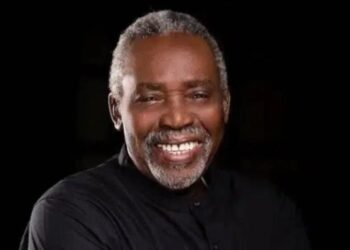





















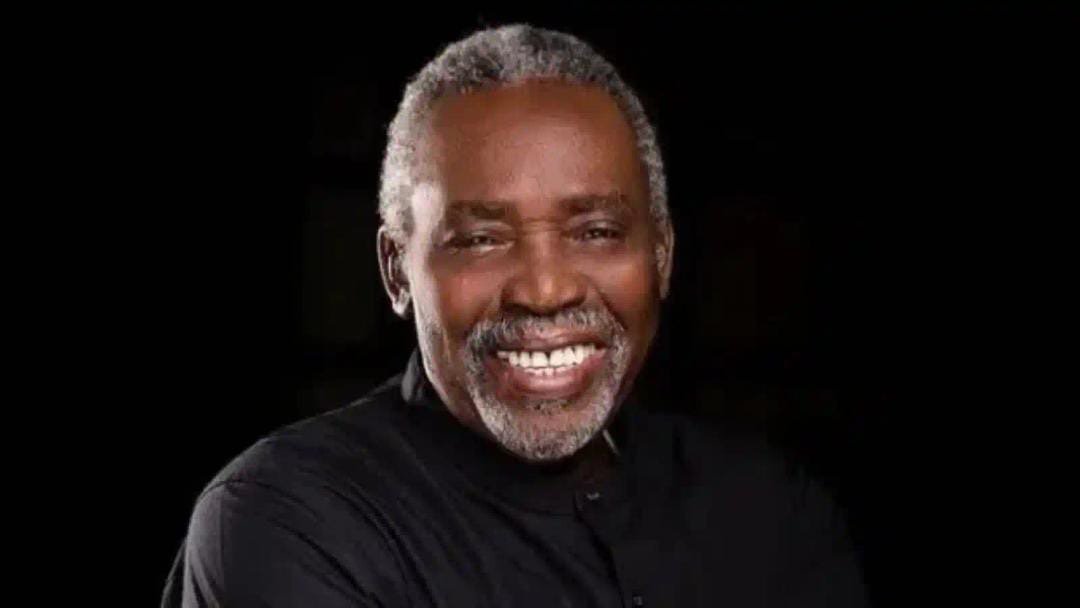

Nigeria’s entertainment industry has been thrown into mourning following the death of veteran actor and film executive Oludotun Baiyewu Jacobs, popularly known as Olu Jacobs, at the age of 84.
The actor’s death was announced on Wednesday, September 16, 2026, by his son, Olusoji Jacobs, in a statement shared on social media. The family described the celebrated actor as the “Lion of Lufodo” and appealed to members of the public, particularly bloggers and social media influencers, to respect their privacy during the mourning period. (Premium Times Nigeria)
Jacobs was born on July 11, 1942, and built a career spanning more than five decades across theatre, television and film. His death marks the passing of one of the most recognisable figures in Nigeria’s performing arts and one of the actors associated with the development of the modern Nigerian film industry. (The Guardian Nigeria)
From Theatre to International Screen
Before becoming a household name in Nollywood, Jacobs developed his craft in Britain. He trained at the prestigious Royal Academy of Dramatic Art (RADA) in London and went on to appear in British television productions and international films.
His early screen work included appearances in productions such as The Goodies, Till Death Us Do Part, The Professionals and other British television programmes. He subsequently returned to Nigeria, where he became a major figure in the country’s rapidly developing film industry. (That Eric Alper)
Over the course of his career, Jacobs appeared in more than 120 films and became particularly recognised for portraying authoritative characters, including traditional rulers, chiefs and father figures. His commanding voice and stage presence made him one of the most recognisable veteran actors in Nigerian cinema. (That Eric Alper)
A Legacy Beyond Acting
Jacobs’ contribution to the Nigerian creative industry extended beyond his performances.
He and his wife, veteran actress Joke Silva, co-founded the Lufodo Group and Lufodo Academy of Performing Arts, contributing to the development and training of performers within Nigeria’s creative sector. (Channels Television)


His work earned several major recognitions, including the Africa Movie Academy Award for Best Actor in a Leading Role in 2007, the Industry Merit Award at the Africa Magic Viewers’ Choice Awards, and the Nigerian national honour of Member of the Order of the Federal Republic (MFR) in 2011. (Channels Television)
Tributes Pour In
Following news of his death, tributes began pouring in from across Nigeria’s political and entertainment communities.
President Bola Ahmed Tinubu described Jacobs as a “giant” of Nigeria’s creative industry, saying his career contributed significantly to the development and professionalisation of the entertainment sector.
The President also acknowledged Jacobs’ ability to bring depth and authenticity to his performances and extended condolences to Joke Silva, their children, relatives and the wider creative community. (The Guardian Nigeria)
Former Vice President Atiku Abubakar also mourned the actor, describing his death as the loss of a cultural icon and an important ambassador of Nigeria’s creative spirit. (Channels Television)
Family Requests Privacy
Jacobs’ passing comes after years in which reports about his health and false claims of his death periodically circulated online. His family had previously pushed back against such reports.
In announcing his death, the family sought to prevent unnecessary speculation, specifically asking bloggers and social media influencers to respect their privacy while they mourn.
The family has not yet announced funeral arrangements. (Premium Times Nigeria)
Remembering a Nigerian Screen Legend
For generations of Nigerians and audiences across Africa, Olu Jacobs represented a distinctive era of acting built around stage discipline, powerful dialogue and commanding screen presence.
From British theatre and television to the emergence of Nollywood as a globally recognised film industry, Jacobs remained an important figure in Nigeria’s cultural story.
His death at 84 brings an end to a remarkable career that connected Nigeria’s traditional theatre heritage with contemporary African cinema.
As the Nigerian film community mourns, the body of work he left behind — spanning theatre, television, film and arts education — remains an enduring part of the country’s entertainment history.