

























LAGOS, NIGERIA — Nigeria’s investment landscape may be entering a new chapter, as ordinary Nigerians are increasingly being presented with opportunities to move beyond simply consuming economic value to becoming participants in the ownership of major businesses.
At the centre of the conversation is the proposed public offering involving the Dangote Refinery, a development that has renewed debate over whether Nigerians can begin to build wealth through strategic investment and ownership rather than relying solely on traditional savings and income.
But beyond the headline figures and the excitement surrounding one of Nigeria’s biggest corporate offerings, an important question remains: Can the average Nigerian realistically transition from economic survival to investment and wealth creation?
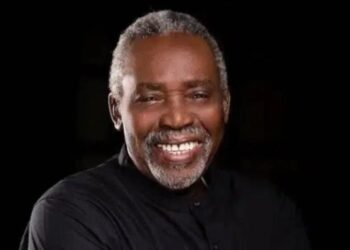
For Omoba Oyeyemi Adebisi, CEO of OrisunEwa Enterprise, the conversation goes beyond the Dangote brand.
He believes the bigger issue is the need to develop a stronger investment culture among Nigerians, particularly young people, entrepreneurs and members of the growing middle class.
According to the business executive, Nigerians need greater financial awareness to understand how investments work, assess risks and identify legitimate opportunities for building long-term wealth.

“OWNERSHIP MUST BECOME PART OF THE CONVERSATION”
Speaking on the development, Omoba Oyeyemi Adebisi can offer a business perspective on what increased public participation in major Nigerian companies could mean for the country’s economic future.
He can also examine whether opportunities such as public share offerings can help Nigerians develop a stronger sense of ownership in the economy.
The CEO’s perspective is particularly relevant to small and medium-sized enterprises, which remain an important part of Nigeria’s economic activity.


Beyond investing in publicly listed companies, Adebisi can address how entrepreneurs can build businesses that create jobs, attract capital and eventually become investment opportunities themselves.
FROM CONSUMERS TO CREATORS
The emerging investment conversation also raises a broader question about Nigeria’s economic future.
Can Nigerians move from being predominantly consumers of products and services to becoming investors, shareholders, entrepreneurs and creators of wealth?
Adebisi can discuss the role of financial literacy, entrepreneurship, access to capital and government policies in making that transition possible.
He can also speak on the challenges facing Nigerian businesses, including the high cost of operations, access to affordable financing, taxation, infrastructure and the purchasing power of consumers.

WHAT DOES THIS MEAN FOR YOUNG NIGERIANS?
For millions of young Nigerians searching for sustainable ways to build financial security, the growing focus on investment could represent an opportunity—but experts continue to stress the importance of understanding the risks before putting money into any investment.
For Adebisi, the message to young entrepreneurs could be simple: don’t only look for where to earn income; begin thinking about how to build assets, businesses and investments that can create value over time.
As Nigeria continues to navigate economic reforms and attract renewed interest from investors, the question is no longer simply whether opportunities exist.
The bigger question is:
Are Nigerians prepared to recognise those opportunities, manage the risks and become owners of the wealth being created around them?